How to Renovate a Bathroom: A Guide for Style, Safety and Accessibility
This article was first published on: September 18, 2025 by Jon Pearce
Last updated: July 8, 2026
This article was first published on: September 18, 2025 by Jon Pearce
Last updated: July 8, 2026
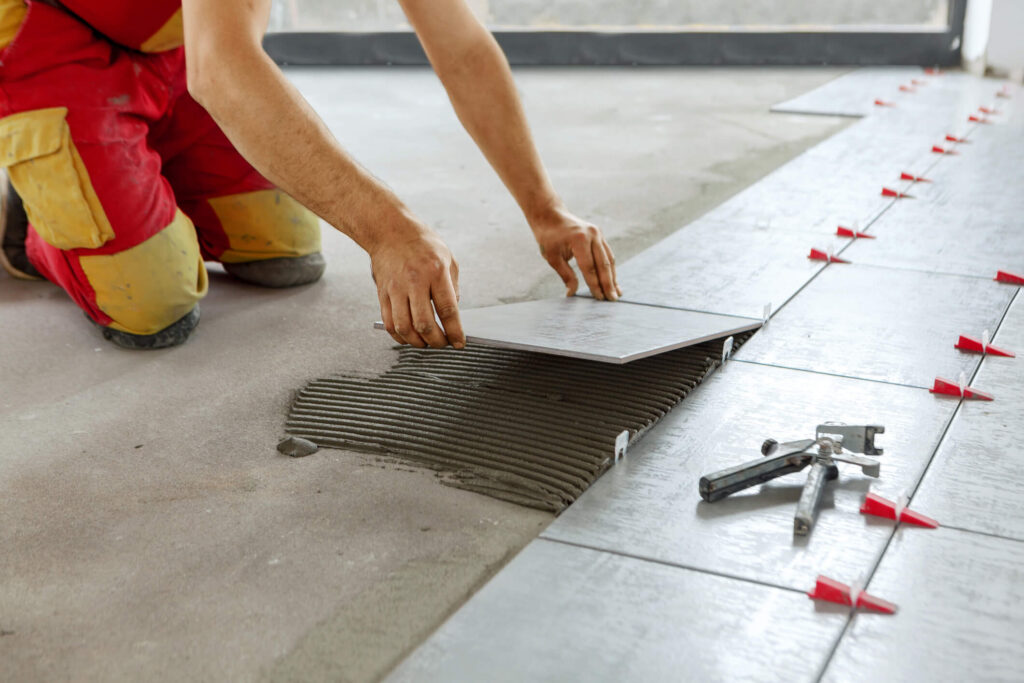
A bathroom renovation is one of the most rewarding home improvement projects you can undertake.
People renovate bathrooms for many different reasons – refreshing tired decor, improving storage, increasing property value, or adapting the space to suit their changing mobility needs. In many cases, it’s a combination of all of these. Whatever your motivation, the decisions you make at the planning stage will shape everything that follows.
In this guide, you can learn all about the key stages of a bathroom renovation, from setting goals and budgets to choosing features, materials, and finishes, with a particular focus on how to create a bathroom you love now and that will continue to work well for you in the future.
The most common mistake in any bathroom renovation is starting with aesthetics before establishing what the bathroom actually needs to do.
A stunning bathroom that doesn’t function well for the people using it is a missed opportunity. And it could be expensive to rectify later down the line. Good planning means thinking about style, functionality, accessibility, and future-proofing all at once.
It’s also worth recognising that accessibility isn’t just relevant to people with disabilities or reduced mobility. Features like step-free showers, lever taps, and well-placed lighting make any disabled bathroom or wet room easier and more comfortable to use for everyone.
Start by thinking about who uses the bathroom and how.
A family bathroom has different requirements from a master en-suite or a bathroom shared by older adults. Consider:
Designing with these questions in mind from the beginning almost always produces better results and better value than making adaptations later.
Bathroom renovation costs in the UK vary depending on the size of the space, the quality of fittings chosen, and the complexity of the work involved.
Key cost variables include:
Building a 10 to 15 per cent contingency into your budget is sensible, as unexpected costs are common in renovation projects, especially in older properties.
Layout is the foundation of a successful bathroom renovation. The position of the toilet, basin, shower, and bath, as well as the space between them, determines how easy and comfortable the room is to use. Getting this right at the planning stage is far less expensive than changing the design later on.
A bathroom should feel easy to move around in. There should be clear pathways between fixtures and enough space to use each one comfortably.
Common layout mistakes include placing fixtures too close together, positioning the door so it opens into a fixture, and underestimating the amount of clear floor space needed for comfortable use.
Door widths are worth extra attention. Standard internal doors can be too narrow for wheelchair users or people using walking aids. Widening a doorway during a renovation is a relatively straightforward change that can make a big difference to the long-term usability of your bathroom.
An accessible bathroom layout considers the needs of all users from the outset. Key principles include:
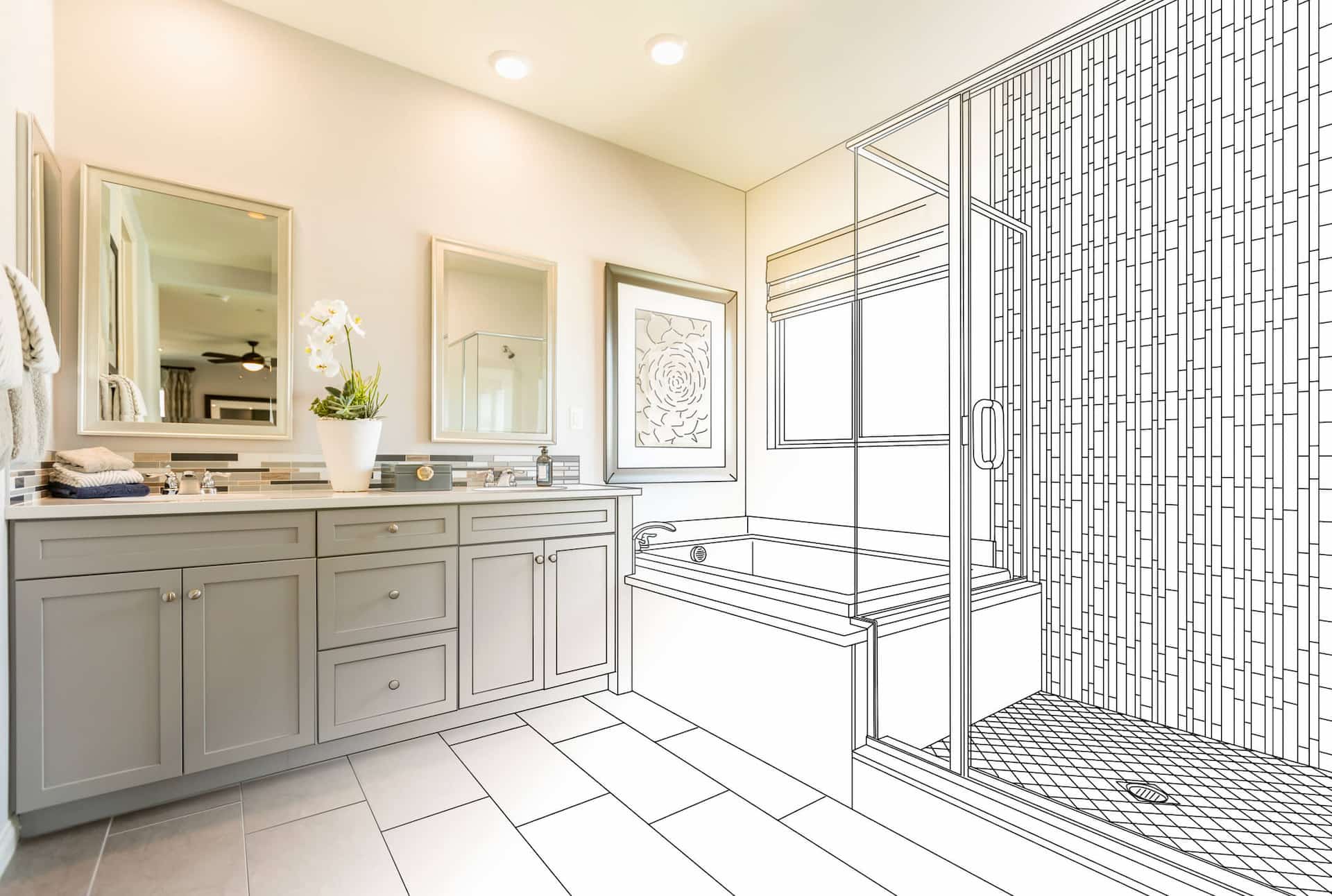
The features you choose will help define how your new bathroom looks and functions. Here is an overview of the decisions you will need to make:
Both walk-in showers and wet rooms offer accessibility advantages over traditional shower enclosures.
A walk-in shower has a wide, open entrance with a minimal threshold, making it easy to step in without navigating a high tray. There’s room for a shower seat and grab rails, and the open design makes the space feel bigger. Walk-in showers are suitable for a range of users and work well in most bathroom sizes.
In a wet room, the entire floor is waterproofed and level – there’s no tray or threshold at all. This makes it the most accessible showering option available, ideal for wheelchair users or people who use a walking frame.
Wet rooms require more involved installation, but they offer an unmatched combination of accessibility, aesthetics, and ease of maintenance.
When choosing between the two, consider current and likely future mobility needs, available space, and installation budget. A bathroom specialist can help you make the right decision for your specific situation.
If you prefer a hot soak in the bath to a shower, a walk-in bath removes the biggest barrier – the high step over the side – by incorporating a door into the bath itself.
All you need to do is step in at floor level, sit down, close the door, and fill the bath with water.
Walk in baths are well-suited to people who have hip or knee problems, reduced core strength, and anyone who finds it hard to get in or out of a standard bathtub. Features such as built-in seating, grab rails, thermostatic controls, and anti-slip bases are standard in quality models.
Comfort-height toilets are slightly taller than standard toilets, which makes sitting and standing much easier if you have reduced lower-body strength or joint problems. Raised toilet seats can achieve a similar effect without replacing the entire toilet.
Wall-hung basins create clear floor space beneath, which is valuable for wheelchair users. It also makes the bathroom easier to clean.
Lever taps require less grip strength than traditional round-knob designs and are a simple yet meaningful improvement for those with limited dexterity.
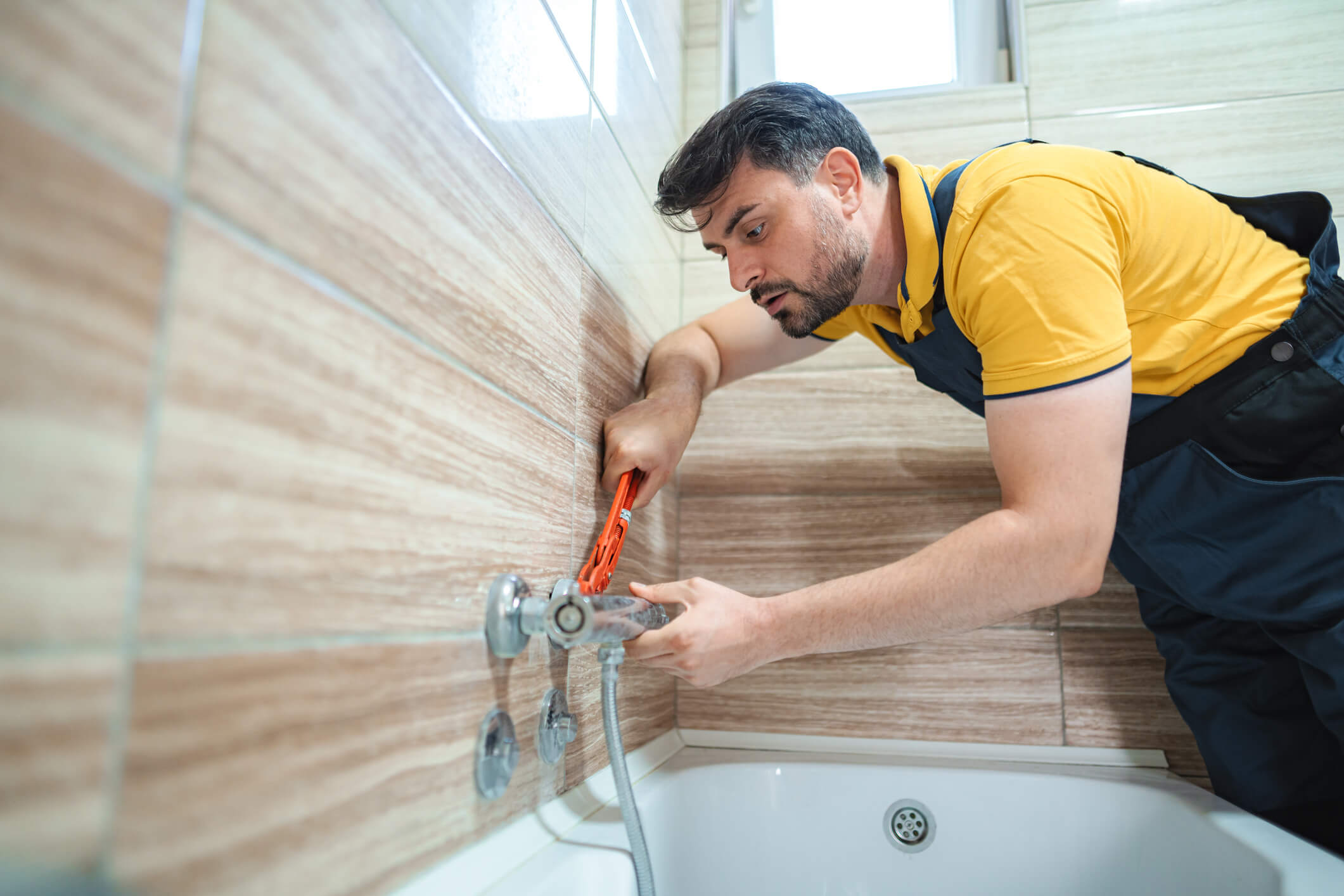
It’s important to think about safety features at the start of your bathroom renovation project. Many of the most effective ones are also among the least visually intrusive.
Wet bathroom floors are a significant fall risk. The NHS identifies falls as the leading cause of injury-related hospital admissions in older people, and the bathroom is one of the highest-risk rooms in the home.
Slip-resistant flooring (including textured tiles, specialist vinyl, and anti-slip coatings) dramatically reduces the risk of slips and falls in the bathroom. They should be considered essential in any bathroom renovation, not just those designed for accessibility.
Grab rails provide security at the moments when the risk of falling is highest, such as stepping in and out of the shower, lowering onto the toilet, or moving around a wet bathroom floor. Positioned correctly, they make a real difference to confidence and safety.
You can buy modern grab rails in a range of finishes, including chrome, brushed steel, and matt black. They can be integrated into your bathroom without looking out of place.
When installing grab bars, your bathroom walls should be reinforced during the renovation so rails can be added or repositioned in the future, even if they aren’t needed immediately.
Good lighting reduces the risk of misjudging surfaces, steps, or obstacles. This is really important for those nighttime trips to the bathroom or if you have reduced vision.
A well-lit bathroom uses a combination of general lighting, task lighting around the mirror and basin, and ideally motion-sensor lighting. It’s best to avoid strong shadows in key areas, such as around the shower and toilet.
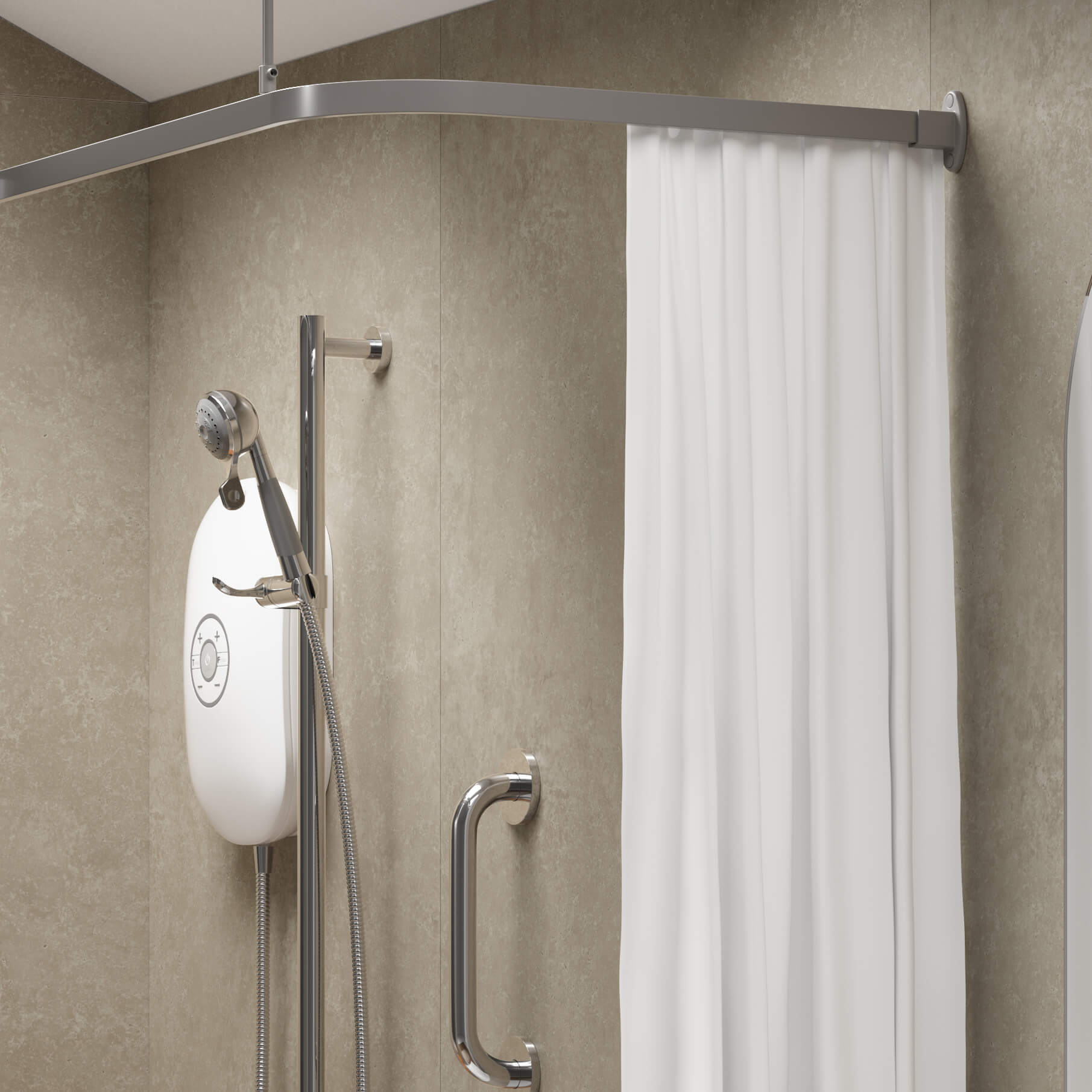
Bathroom materials must withstand sustained moisture exposure, temperature fluctuations, and regular cleaning.
Porcelain and ceramic tiles remain the gold standard for durability and water resistance.
Large-format tiles reduce grout lines, making surfaces easier to clean and less prone to mould.
Wall panels are available in acrylic, PVC, and composite materials. These offer a grout-free alternative that requires very little maintenance.
Anti-mould paint and moisture-resistant plasterboard are the best choice in any area not covered by tiles or panels.
Accessible and stylish are not opposites. The design principles that make a bathroom easier to use are also the principles of good contemporary bathroom design. These include clear space, uncluttered surfaces, and simple controls.
Neutral tones, large-format tiles, concealed storage, and frameless glass screens create a modern feel that works beautifully in accessible bathrooms. The result is a bathroom that feels calm and cohesive, rather than clinical.
The main cost drivers in a bathroom renovation are labour, materials, plumbing, and electrical work.
Labour accounts for the largest share of total costs, especially when tiling, waterproofing, and accessibility features are involved.
Structural changes such as moving drainage, widening doorways, or reinforcing floors for a wet room add to the overall cost, but are often worth doing as part of a renovation rather than as standalone projects later on.
Walk-in baths, wet rooms, and full accessible bathroom conversions sit at the top end of the renovation cost spectrum. However, you should view them as a long-term investment.
Supporting independence at home, reducing the risk of falls and injuries, and avoiding the cost of residential care are all financially meaningful outcomes that a well-designed, mobility-friendly bathroom can help achieve.
The Royal College of Occupational Therapists notes that home adaptations are among the most cost-effective interventions for supporting independent living.
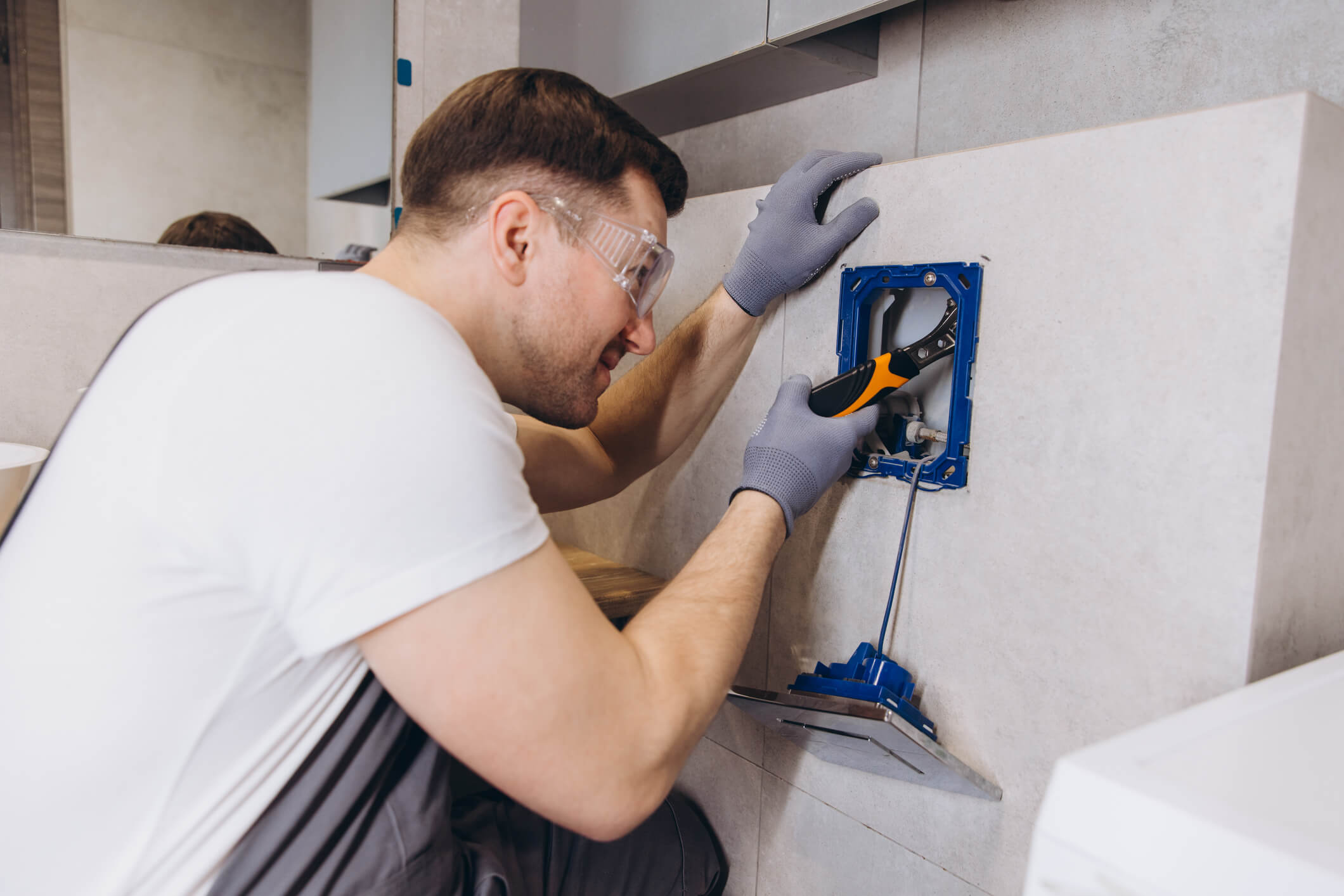
Plumbing, electrical work, and waterproofing should not be approached as DIY projects. Mistakes in these areas can be both dangerous and costly to repair.
All electrical work in bathrooms must comply with Part P of the Building Regulations and be carried out by a qualified electrician.
Straightforward cosmetic changes like repainting, replacing accessories, or installing a new mirror can all be carried out by a competent DIYer.
For anything involving structural changes, accessibility adaptations, or specialist installations, professional expertise is essential.
An accessible bathroom isn’t just a standard bathroom with a grab rail installed. It requires an understanding of how people with different mobility challenges actually use a space, which features will make the biggest difference to them, and how to install them safely and correctly.
Mobility Plus brings this understanding to every project. From initial design and assessment to installation and aftercare, we’ll make sure the result is right the first time, compliant with the relevant standards, and genuinely fit for purpose.
Needs change over time due to ageing, health conditions, or injury. A bathroom designed only for your current requirements may need expensive adaptations in the future.
Designing a bathroom for ageing in place means making choices now that will continue to work well later. This might include step-free shower access, reinforced walls, wider doorways, and flexible fixture positioning.
The best bathroom renovations create a space that is safe, comfortable, and enjoyable for everyone who uses it, for many years to come.
A bathroom can be beautifully designed and practical. It can feel modern and calm while also being step-free, well-lit, and easy to navigate.
Whether you’re refreshing an outdated bathroom, adapting a space for changing mobility needs, or creating an entirely new bathroom space or wet room, Mobility Plus can help. Explore our range of walk-in showers, walk-in baths, and wet rooms, or get in touch to discuss your project with a specialist.
A standard bathroom renovation usually takes between one and two weeks, depending on the complexity of the work involved. More involved projects, such as wet room installations, structural alterations, or full accessible bathroom redesigns, may take longer. A specialist installer will give you a clear timeline before commencing work.
The most cost-effective renovations focus on changes that have the greatest visual or functional impact without requiring structural work, such as replacing the suite, retiling, updating lighting, and refreshing accessories. Keeping plumbing in its current position avoids additional cost. However, investing in structural accessibility changes during a renovation is much more cost-effective than carrying them out separately at a later stage.
An accessible bathroom is one designed to be safe and easy to use for people with limited mobility, disabilities, or changing physical needs. Some of the features you might find in an adapted bathroom include step-free shower access, grab rails, slip-resistant flooring, appropriate fixture heights, and sufficient space to move around comfortably – with or without mobility aids or carer assistance. Accessible bathrooms can still be fully modern and stylish in appearance.