What are the most dangerous parts of the bathroom?
This article was first published on: January 3, 2019 by Jon Pearce
Last updated: July 8, 2026
This article was first published on: January 3, 2019 by Jon Pearce
Last updated: July 8, 2026
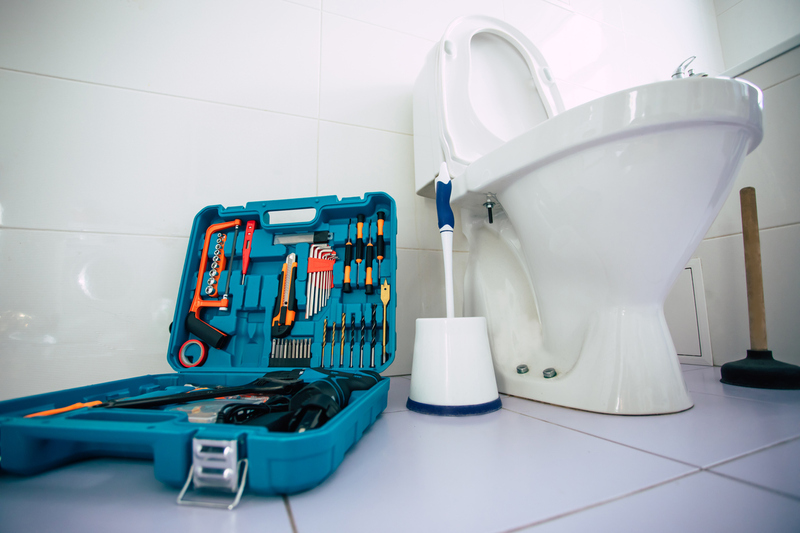
Do you know where the most dangerous place in your home is? According to research carried out by the American Centre for Disease Control and Prevention, the bathroom is the most dangerous.
Most injuries happen during our personal care routine, whilst taking a shower or a bath. This is especially prevalent in older age. Slippery surfaces are not the only factor causing accidents in the bathroom; the combination of water, humidity, sharp objects and electricity makes the bathroom the most treacherous room in your house.
Below, we’ve listed the most dangerous parts of the bathroom and a few pieces of advice on how to avoid injuries in the long run.
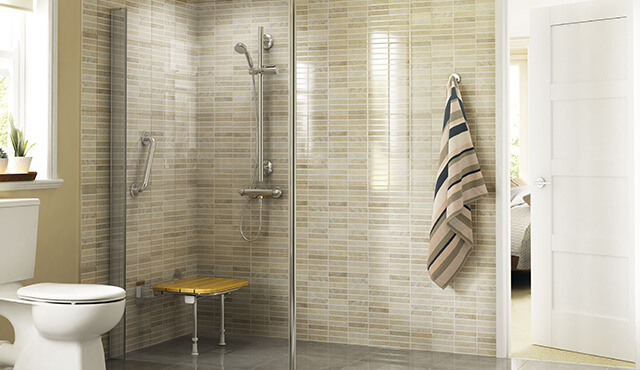
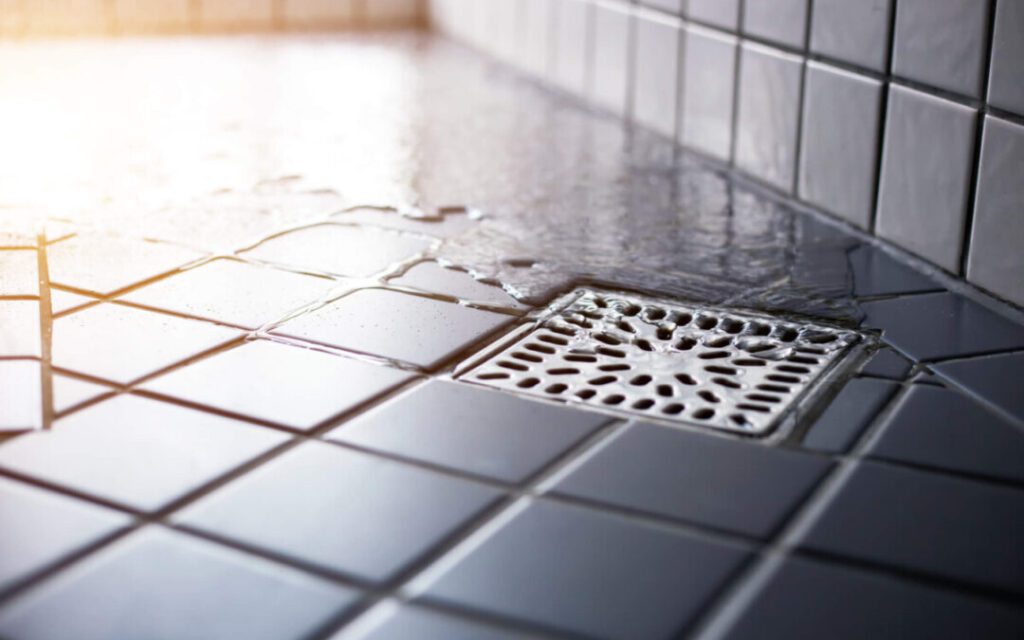
Although shower time is considered to be a relaxing moment to unwind in, taking a shower could easily lead to injuries when not paying enough attention. The mix of water, soap and moisture creates a slick and unsafe surface where the chance of falling is increased significantly.
A walk-in shower is an ideal design choice to prevent accidents as it can feature useful aids such as a fold away shower seat or safety grab rails to enable you to move with freedom and confidence. Walk-in showers also offer generous space and can include a no-door option for wheelchair access if required.
Choosing a walk-in shower not only enhances bathroom safety but also promotes independence and comfort for people of all ages, creating a safer and more accessible bathing environment at home.
Wherever you store sharp objects and electrical appliances in the bathroom, consideration should be taken to minimise the risk to all users. Scissors, nail cutters, razors and hair dryers can be a hazard for several reasons. If you have grandchildren, having dedicated storage for these hazardous items can reduce the risk, as young children are prone to touch and play with anything they find.
These dangers are not just limited to children but very much extend to adults too. Forgetting to put your scissors and electrical objects back in their storage space may increase the chance to accidentally get cut. For this reason, it’s always important to keep a small first aid box at your fingertips to clean any wounds and avoid infections should an accident occur. By making these small adjustments, you can create a safer, more organised bathroom environment for everyone in your household.
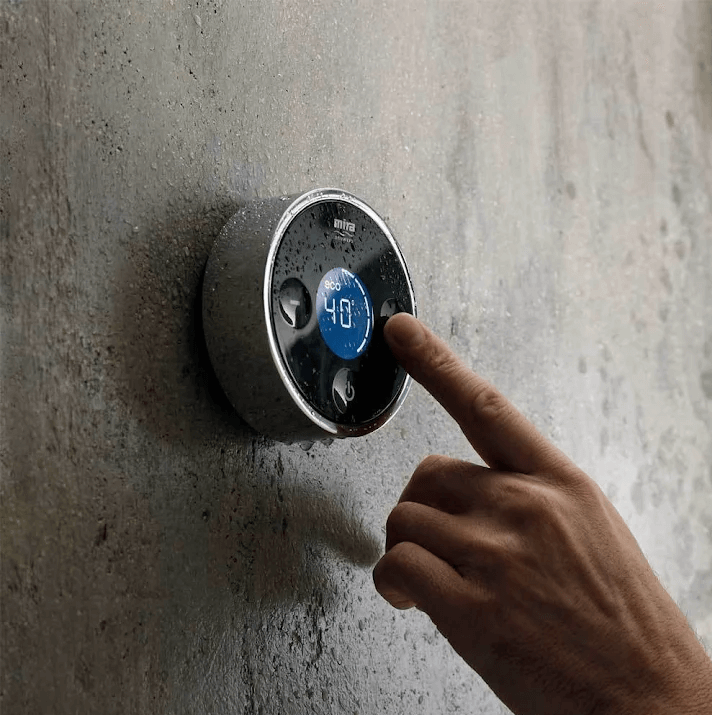
It won’t come as a surprise that many people are not aware of water temperature safety levels or safe bath water temperature guidelines. As we get older, our skin becomes more delicate and high-water temperatures can scald and burn, which can permanently damage our skin. The Department of Health states that water temperatures should not exceed 44 °C, which is sufficient to prevent bacteria and germs from spreading. In addition, keeping the water temperature of your home under control will also avoid issues to your heating system during the cold season.
It’s important to regularly check your bath and tap temperatures using a thermometer or thermostatic mixing valve (TMV) to ensure your water stays within a safe range. Thermostatic controls in modern walk-in baths make maintaining a consistent and safe bathing temperature easier than ever, helping to prevent accidental scalding and promoting a comfortable, relaxing bathing experience.
According to ‘Electrical Safety First’, sockets should be placed at least three metres from the bath or shower, however, this is not always feasible. The same rules also applicable to extension cords, but with feasibility not always permitting, making sure you have some simple safety rules of thumb is essential. Make sure that your hands are not wet before plugging in any electrical device and try to stay as far as possible from water when using them.
When updating your bathroom or planning a renovation, a qualified Mobility Plus consultant will ensure your shaver sockets meet the latest UK electrical safety regulations (BS 7671). Installing an IP-rated shaver socket can also help prevent electrical shocks and moisture damage, providing extra peace of mind for your family’s safety.
Getting in and out of the bath can be tricky for all age groups. Young children not aware of the dangers can often slip whilst standing in the bath, especially those who see bath time as playtime. Using non-slip bath mats or textured stickers can help make bath time safer for younger bathers.
Older age groups may struggle to raise or lower themselves into or out of the bath, this could stem from common problems such as a bad back or other age related mobility issues. A simple,well-positioned grab rail or bath safety handle can significantly improve bathroom accessibility and comfort and help bathers of all ages stay safe. A more long term solution may be to replace your traditional bath with a low-entry walk-in bath.
Walk-in baths are designed with low-entry doors and built-in seating, offering safe and independent bathing for seniors and those with mobility issues. Similarly, a vertical bath provides a compact, space-saving option for smaller bathrooms, while still maintaining comfort and safety. Choosing one of these modern designs can greatly improve bathroom safety and confidence for anyone who finds traditional baths challenging.
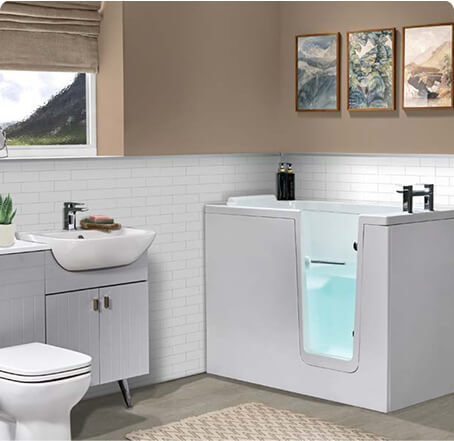
To wrap up – take care in the bathroom, plan out the potential risks and apply caution to minimise the opportunity for injury. For inspiration on planning a new bathroom for the safety conscious or baths for the elderly, find out more about our range of accessible bathrooms.
The bathroom is considered the most hazardous room because of wet and slippery surfaces, limited space, and the combination of water and electricity. These factors increase the risk of slips, falls, burns, and electrical accidents for both adults and children. Installing non-slip mats, grab rails, and walk-in baths can significantly reduce these everyday risks.
Improving bathroom accessibility for seniors can include adding grab bars, adjustable shower heads, and non-slip flooring. Replacing a traditional tub with a low-entry walk-in bath or vertical bath can make bathing easier and safer for those with mobility or balance issues.
The Department of Health recommends keeping hot water at or below 44°C to prevent scalding while maintaining hygiene. Walk-in baths and modern showers often feature thermostatic controls to help regulate water temperature and prevent accidental burns.
Electrical appliances and shaver sockets should be installed at least three metres away from the bath or shower to avoid electrical hazards. Always keep devices like hair dryers, straighteners, and electric razors away from water sources, and ensure your bathroom follows UK electrical safety regulations.
To reduce the risk of bathroom slips and falls, use non-slip mats, grab bars, and adequate lighting. For long-term safety, consider installing a walk-in or vertical bath that removes the need to step over high bath sides, which is a common cause of falls, especially for older adults.