How to Increase Shower Pressure
This article was first published on: 15 April 2024
Last updated:
Last updated:
Weak, dribbly showers are annoying for anyone. But if you rely on shower seats, grab rails, or walk-in showers, low shower pressure can make washing difficult or even unsafe.
Water pressure is the strength that forces water through pipes and into household water fixtures, such as taps, dishwashers, washing machines, and showers. And low shower pressure is one of the most common bathroom issues in UK homes.
The good news is, there are clear steps you can take to diagnose the problem, try safe DIY fixes, and identify when a professional needs to step in.
Read on to find out how to increase shower pressure.
Good shower pressure makes it easier to rinse away shampoo, soap, and skincare products, shortening shower time and reducing fatigue for people with reduced mobility.
In a walk-in shower, consistent pressure helps to keep water within the tray or wet room area, reducing slip risks from pooling or overspray.
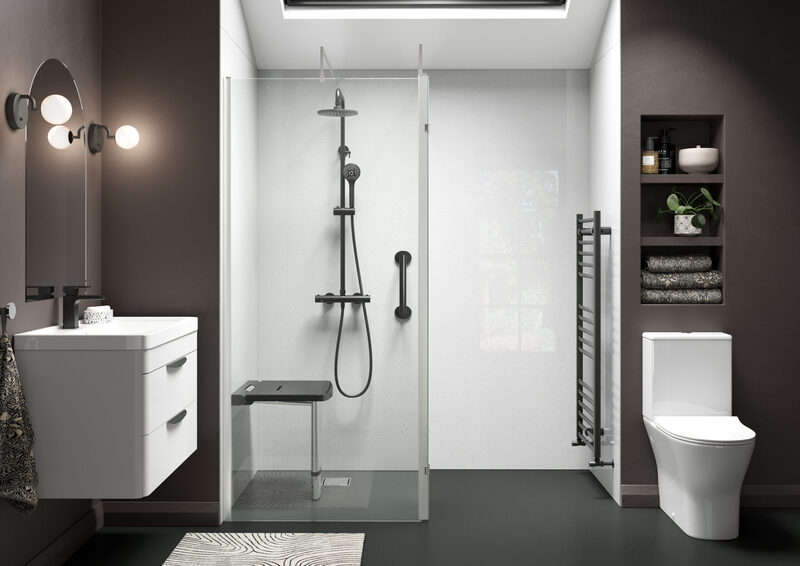
Adequate pressure is particularly important for accessible and seated showering, as the hand-held shower must reach all parts of the body without the user having to twist or stand.
Stable shower pressure also makes thermostatic controls work properly, reducing sudden temperature changes that can be dangerous for older people and anyone with balance or sensory issues.
Gravity-fed or vented systems use a cold-water storage tank, usually in the loft, feeding a hot-water cylinder, typically in an airing cupboard.
Pressure is created by gravity and depends on the vertical distance between the water level in the tank and the shower head.
These systems often suffer from shower pressure problems, especially when the shower is on the same floor as the tank.
If you have a gravity-fed system, you may need a shower pump or power shower to improve water pressure.
Combi boilers heat water directly from the mains without a storage cylinder. The shower pressure is largely determined by the incoming mains pressure and the boiler’s flow rate.
Combi systems often provide better base pressure than gravity-fed systems, but if mains pressure is low or several outlets run at once, you will notice low shower pressure and reduced flow.
You generally cannot fit a standard shower pump directly to the mains feeding a combi, so solutions focus on improving mains pressure, choosing suitable mixer showers, or using a dedicated mains booster.
Unvented or pressurised cylinders store hot water at mains pressure and supply taps and showers without a loft tank.
When designed correctly, they usually deliver strong, consistent pressure suitable for large shower heads and multiple bathrooms, but restrictions, partially closed valves, or undersized pipework can still cause problems.
Work on unvented cylinders must always be carried out by a qualified installer.
Look for a large cold-water tank in the loft and a separate hot-water cylinder in an airing cupboard. If you have these, it usually indicates a gravity-fed system.
If there’s no cylinder or loft tank and the boiler is a wall-hung unit that provides hot water on demand, you probably have a combi boiler system.
A metal hot-water cylinder without a loft tank and pipework connected to the mains suggests you have an unvented system, which should have clearly visible safety labels and discharge paperwork.
Limescale and dirt can get inside nozzles and filters, reducing the effective hole size and restricting flow, especially in hard water areas and on shower heads that aren’t regularly cleaned.
This leads to uneven spray patterns and a weak jet.
Mixer or thermostatic valves contain cartridges and filters that can clog or wear, causing poor mixing, restricted flow, or a sudden drop in pressure.
A faulty valve might also react to small pressure changes elsewhere in the house, leading to fluctuations in shower temperature and flow.
If mains pressure or flow to the property is low, every appliance will feel weak – not just the shower.
Undersized incoming pipework, shared supplies (for example, if you live in a flat), or local network issues can all contribute to low shower pressure.
In gravity-fed systems, the higher the cold water tank above the shower head, the greater the pressure.
Roughly one metre of vertical height gives about 0.1 bar of pressure, so if the tank is only slightly higher than the shower, pressure will be very low, which is common in loft conversions without pumps or alternative systems.
Running taps, flushing the toilet, or using appliances like washing machines and dishwashers at the same time as the shower reduces available pressure and flow, especially on gravity-fed systems and homes with low mains pressure.
In blocks of flats or multi-occupancy homes, peak-time use can significantly reduce combi shower pressure, as everyone draws from the same mains supply.
Narrow, corroded, or partially blocked pipes restrict flow, especially in older properties with steel or copper pipe runs.
Long pipe runs with many elbows or kinked flexible hoses feeding the shower waste also lose pressure before the water reaches the valve.
You don’t necessarily need a plumber to see if you have poor water pressure. Instead, there’s a quick test you can do at home.
Step 1. Get a 1-litre measuring jug and place it under the shower head. Then, turn on your shower to maximum water pressure.
Step 2. Record how long it takes for the measuring jug to fill with water.
Step 3. Once the jug is full, stop the clock. If it took over 6 seconds to fill, your shower head failed the test, and you have a low-pressure shower.
Remove the shower head and soak it in a descaling solution or white vinegar, then scrub the nozzles and rinse.
If cleaning doesn’t help, consider installing a replacement head designed for low pressure that focuses the flow through fewer jets.
Handheld shower heads have a flexible pipe that attaches the head to the main shower. Sometimes, this can get bent and twisted, preventing water from flowing smoothly. Take the time to unwind the shower tube, checking for any kinks and twists.
Many modern shower heads and hoses contain small inserts or restrictors that limit flow to save water.
You can sometimes remove or adjust these to increase flow, but this may increase water use and affect warranties.
Partially closed isolation valves, on the hot or cold feed to the shower, can restrict flow.
Check service valves near the shower, cylinder, or under the bath and ensure they are fully open, taking care not to force older valves.
Mixer or bar valves can also suffer from limescale inside filters and cartridges.
Turning off the water, disassembling the valve, and cleaning or replacing internal parts can improve flow and temperature control.
Look for damp patches, drips from joints, or water marks on ceilings below the bathroom, as they may indicate hidden leaks reducing available pressure.
Even small leaks upstream of the shower can lower pressure and waste water.
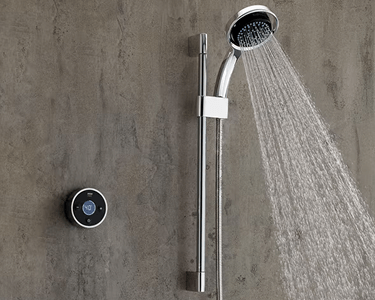
If you have a gravity-fed system, a dedicated shower pump is one of the best ways to improve water pressure and increase water flow shower.
Pumps are rated in bar (for example, 1.5, 2.0, or 3.0 bar) and can serve a single shower or multiple outlets.
Shower pumps must be installed in accordance with the manufacturer’s instructions and UK water regulations.
The price of a shower pump in the UK will depend on pump size, complexity of pipework, and accessibility of the airing cupboard or loft.
Installation usually needs an electrical connection and correct positioning relative to the hot water cylinder and cold water tank.
Professional installation is advisable in most cases.
Power showers combine a mixer with an integral pump designed for gravity-fed systems. They act as a water pressure booster, boosting hot and cold stored water to deliver a stronger spray.
Power showers are not suitable for mains pressure or combi systems, but can transform low shower pressure in vented setups.
Cheap electric showers often struggle with low water pressure, so switching to a well-functioning shower will help.
Our digital electric showers combine hot and cold water for your ideal water temperature and use a thermostat for precise temperature control. All you need to do is turn on the shower and set your temperature. The innovative technology sends a wireless signal to the built-in thermostat (no Wi-Fi required) and regulates the heat while you’re showering. So, there’s no need to constantly adjust a dial for the perfect temperature – just touch a button, and go!
Mobility Plus digital showers are compatible with all our wet rooms and walk-in showers.
If mains pressure is adequate but peak time flow is limited, an accumulator or pressure vessel can store mains water under pressure and release it to support high demand.
In homes with persistent low shower pressure and older gravity-fed systems, consider switching to an unvented cylinder or combi boiler.
This is a major project, but it can benefit the whole house.
These shower heads use smaller, carefully angled nozzles to concentrate flow into a more powerful spray.
Aerating heads mix air into the water stream, giving a fuller, softer spray that feels more powerful than the actual flow rate suggests.
Choose a head that can be easily mounted on a sliding rail and used hand-held while seated.
Look for large, easy-grip controls, lightweight handsets, and compatibility with thermostatic valves, so users can adjust height and angle without strain.
Walk-in showers and level-access areas often use larger trays or open wet rooms, so they work best with consistent, moderate-to-high shower pressure.
For low-pressure gravity systems, a twin impeller shower pump or power shower will ensure adequate flow to both overhead and hand-held heads in accessible bathrooms.
Thermostatic valves designed for low-pressure systems help maintain safe temperatures even when other outlets are in use, reducing the risk of scalding.
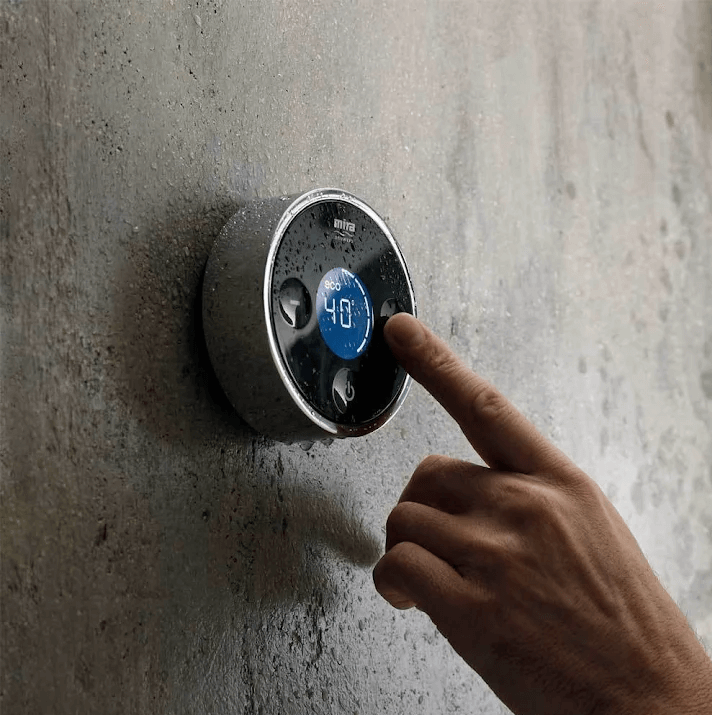
DIY tasks include cleaning and descaling heads, checking isolation valves, inspecting visible pipework, and replacing like-for-like shower heads and hoses.
Professional help is needed for shower pump installation, power showers, unvented cylinders, accumulators, electrical connections, and any work affecting building structure or drainage.
You probably need expert help if:
Plumber call-out rates vary by region.
Small jobs like replacing a valve or fitting a standard mixer may only cost a few hundred pounds, whilst pump installations and complex walk-in shower installations will cost more.
Getting several quotes and choosing installers familiar with mobility and accessibility adaptations helps ensure a good outcome.
Any connection to the mains or any changes to cold water storage must comply with the Water Supply (Water Fittings) Regulations. Water fittings must not contaminate the public supply or wastewater, or create backflow risks.
Electrical safety rules (Part P of the Building Regulations) apply to installing pumps and wiring in bathrooms, so new circuits or connections in zones near the shower require a qualified electrician and, in some cases, Building Control notification.
Insurance policies may also stipulate that major plumbing and electrical work is carried out by a competent, qualified tradesperson.
A: Standard shower pumps are not designed to be fitted directly to mains water feeding a combi boiler. Doing so could breach regulations and cause damage. Speak to a heating engineer for advice on installing a mains booster or accumulator.
A: Simple fixes like installing a new shower head or valve cost under £100 for parts, while shower pump installation typically ranges from £200 to £500 or more, depending on specification and labour costs.
A: Installing a new shower head cannot increase the actual water pressure, but it can improve the perceived strength of the spray. If the underlying pressure is very low, you will need to consider other options to fix this.
A: Many mixer showers work from around 0.1-0.5 bar, but large rainfall shower heads and some thermostatic valves need a minimum of 1 bar for proper performance.
A: Low water pressure itself is not usually dangerous, but it can affect thermostatic mixing and cause temperature fluctuations, which may increase the risk of scalding. In accessible showers, very low pressure may require awkward movements to rinse properly, increasing the risk of slips.
A: Flats often share mains supplies and have restrictions on pumping, so options are limited compared with houses. Targeted measures like low-pressure shower heads, system-appropriate mixers, and booster or accumulator solutions can improve water pressure in a flat.