How to Install a Shower Screen: A Step-by-Step Guide
This article was first published on: January 13, 2026 by Jon Pearce
Last updated: July 8, 2026
This article was first published on: January 13, 2026 by Jon Pearce
Last updated: July 8, 2026
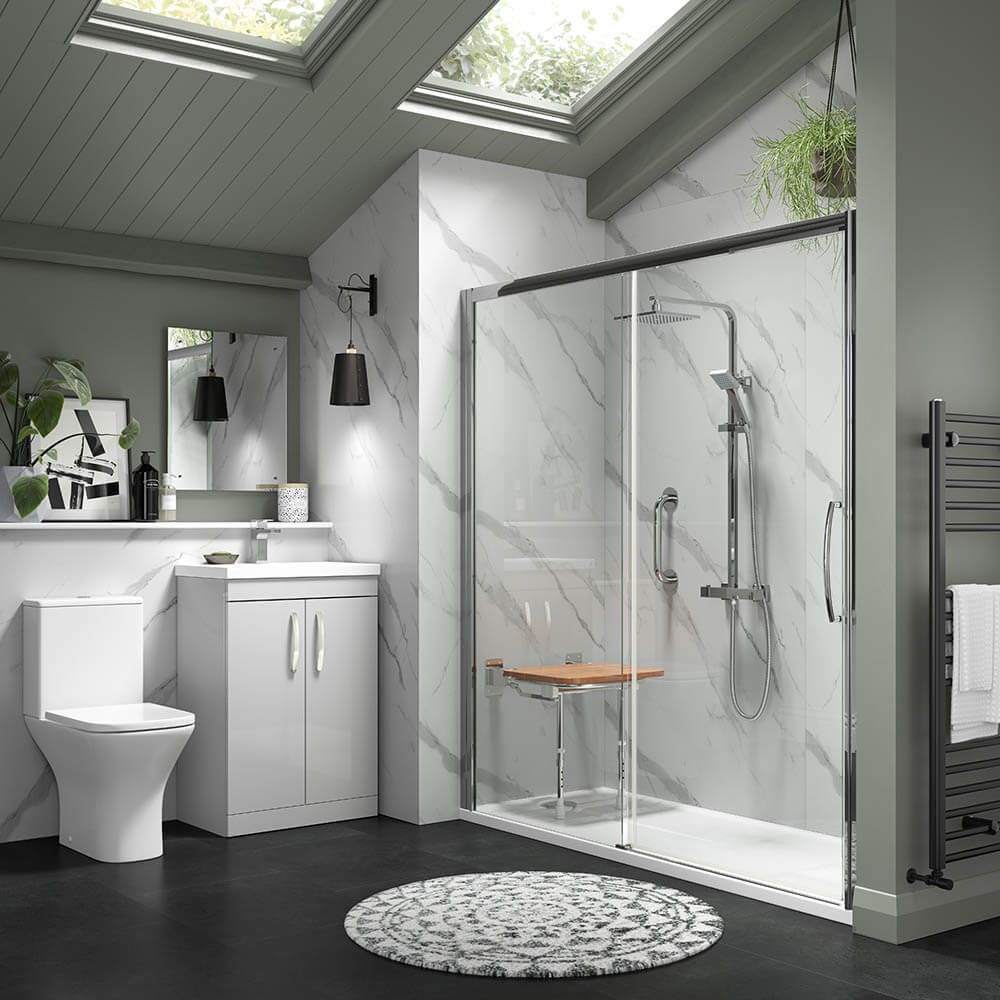
Whether you have a separate walk-in shower cubicle or a shower unit that’s fitted over a walk-in bath, you’ll need a shower screen to keep water contained and to stop splashes damaging radiators or other fitted furniture. Your bathroom will look neat and modern with the right choice of screen, and it’s easier to clean than a traditional shower curtain.
Installing a shower screen is a straightforward DIY job if you’ve got the right tools, plan well and take your time with the work. If you’re wondering how to fit a shower screen, this guide will walk you through everything you need to know, from measuring up to sealing the screen properly, so you can get a professional-looking finish without the cost and time of calling in a tradesperson.
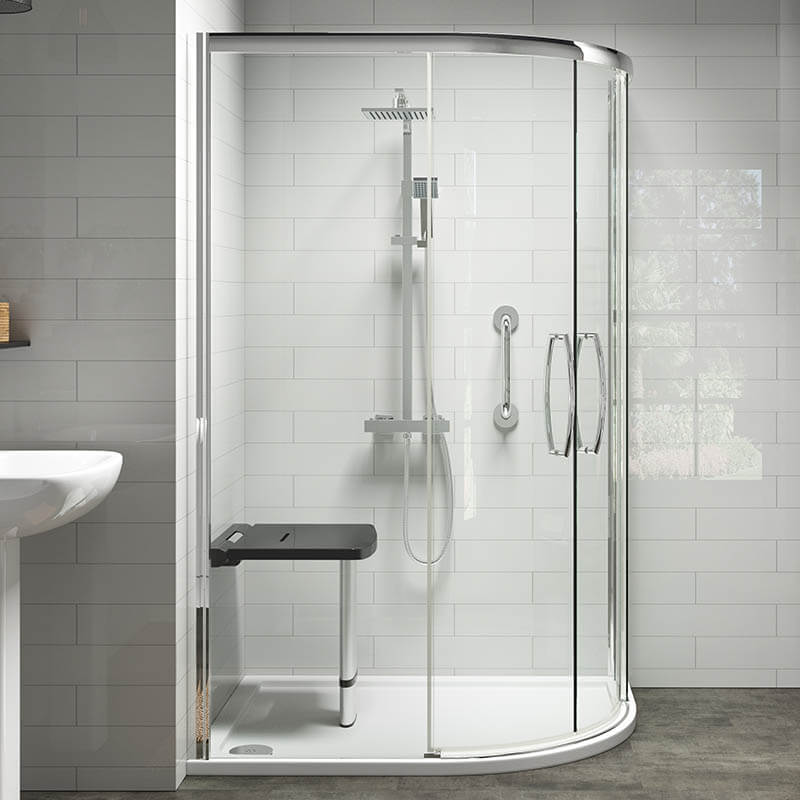
A shower screen is a panel (usually made of glass) that keeps water inside your shower or bath area. It’s a stylish and practical alternative to a curtain that gives your bathroom a modern, open and spacious feel. Glass screens are easy to wipe clean, last for years, and come in different shapes and sizes to suit your bathroom design and space.
These are the main types of screens available for DIY installation:
*Make sure you read the manufacturer’s instructions carefully before starting work.
Before starting work, make sure you have everything you’ll need:
Taking extra time to plan before you start will save you from potential costly problems later!
Measure the bath edge or shower tray dimensions carefully. Mark exactly where your wall channel or frame will sit with a pencil.
Before you start work, make sure the surface is even and strong enough to hold the weight of the glass screen.
Wipe surfaces clean with a soft damp cloth, then dry thoroughly; this is to make sure the sealant adheres properly and you don’t get leaks.
Hold the frame or channel in place using a spirit level, then mark where to drill with a pencil. If you’re drilling through tiles, go slowly and use the correct size drill bit for the size of the screws.
*Top tip: cover the pencil-marked drill hole with clear tape, then drill through the tape into the tiles – this helps to prevent the tiles from chipping or cracking.
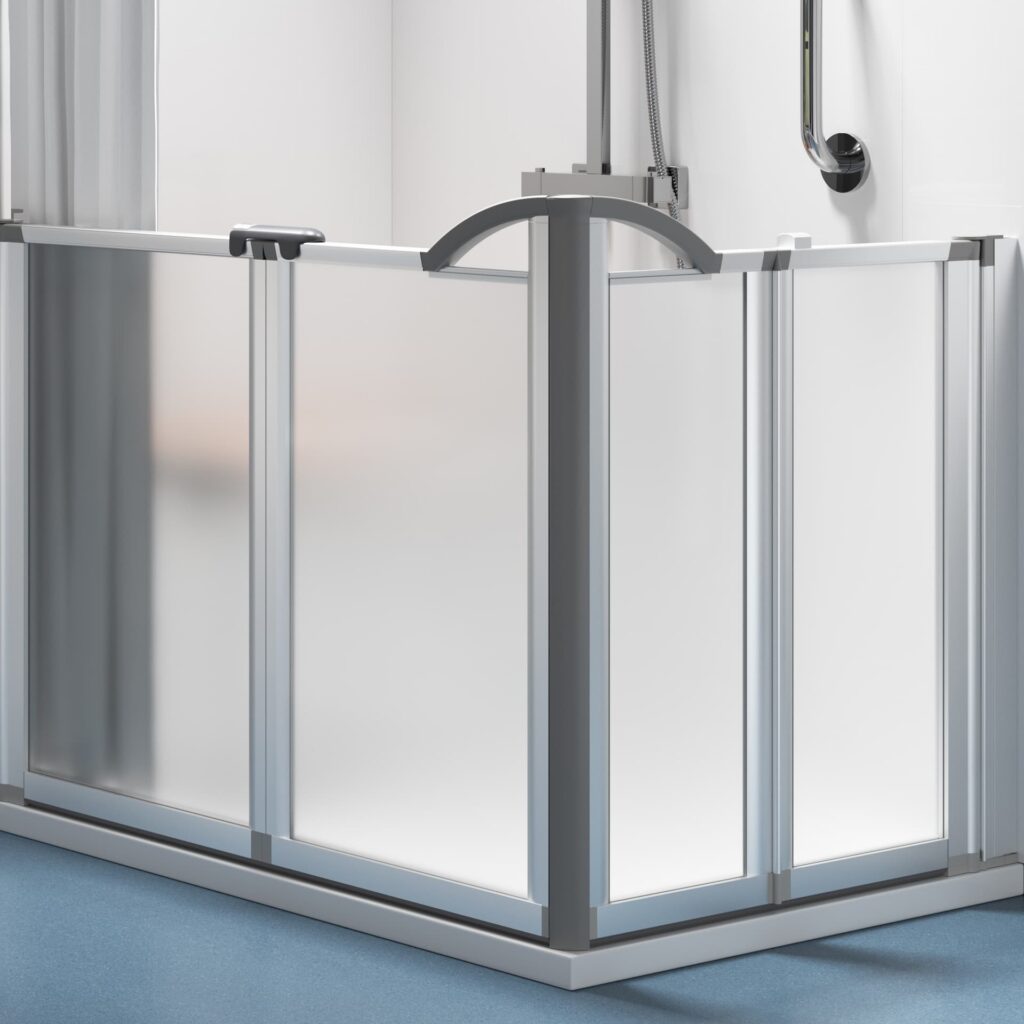
Follow these simple steps for a watertight, smooth fit:
Step 1: Fit the wall bracket and channel
Drill your holes carefully where marked. Insert correct-sized wall plugs and screw the channel to the wall, making sure it’s perfectly straight and there are no gaps where water could seep through. If you’re fitting a hinged shower screen, make sure the hinge direction is correct before moving to step 2.
Step 2: Insert the glass panel
Slide the glass screen gently into the wall channel. Use a spirit level to check it’s upright.
Step 3: Fix the panel
Once you’re happy with the position, tighten the fittings according to the manufacturer’s instructions. Avoid overtightening so you don’t crack the glass!
Step 4: Attach seals and finishing trims
Fit any supplied seals or trims to the bottom or sides to stop water escaping.
Step 5: Add sealant for a watertight finish
Apply a neat line of clear or white silicone sealant along the outside edge only. Smooth with your finger or a finishing tool for a clean, professional look.
Installing an over-bath screen is a similar process to above, but there are a few extra things to look out for:
Getting the seal right is crucial for preventing leaks, mould and mildew.
Usually between 1-2 hours, depending on the style and your DIY experience level.
Yes, you can. Shower screens can be installed at home if you’ve got some DIY skills. However, it’s important to follow the instructions carefully and seek professional advice if needed.
It depends on the make and brand, but yes, they can be if the instructions are clear. Just make sure you read the manufacturer’s instructions properly. Take your time to measure things properly as well as drilling and sealing properly.
You can keep your shower screen looking nice and shiny if you clean it regularly. All you need to do is wipe it down on a regular basis with a soft cloth and glass cleaner. Stay away from harsh chemicals as they may damage the surface or seals.
Installing a shower screen might sound like a big job, but it’s actually pretty simple if you follow the steps we’ve outlined in this guide. Get it right, and you’ll have a watertight, stylish screen that looks fantastic, is easy to clean, and lasts for years.If you’d like more help with your bathroom design or installation, Mobility Plus offers a bespoke service. Why not get in touch with us today or order your free brochure.