This article was first published on: January 8, 2026 by Jon Pearce
Last updated: July 8, 2026
The bathroom should be a place where you can relax and feel at ease. But wet floors, slippery bathtubs, and hard tiled surfaces can make it one of the more hazardous rooms in the home – particularly for older adults or those with limited mobility.
Bathrooms with hard flooring, such as tiles, can increase the risk of slips and falls when surfaces become wet. The good news is that there are plenty of simple, effective steps you can take to reduce these risks and make your bathroom a safer, more comfortable space.
Fortunately, there are several simple steps and modifications you can make to reduce the risk of accidents in the bathroom – for yourself, older family members, or anyone else in your home.
In this guide, we’ll share our top tips for improving bathroom safety, so you can feel confident that your bathroom is a safe and comfortable space for everyone who uses it.
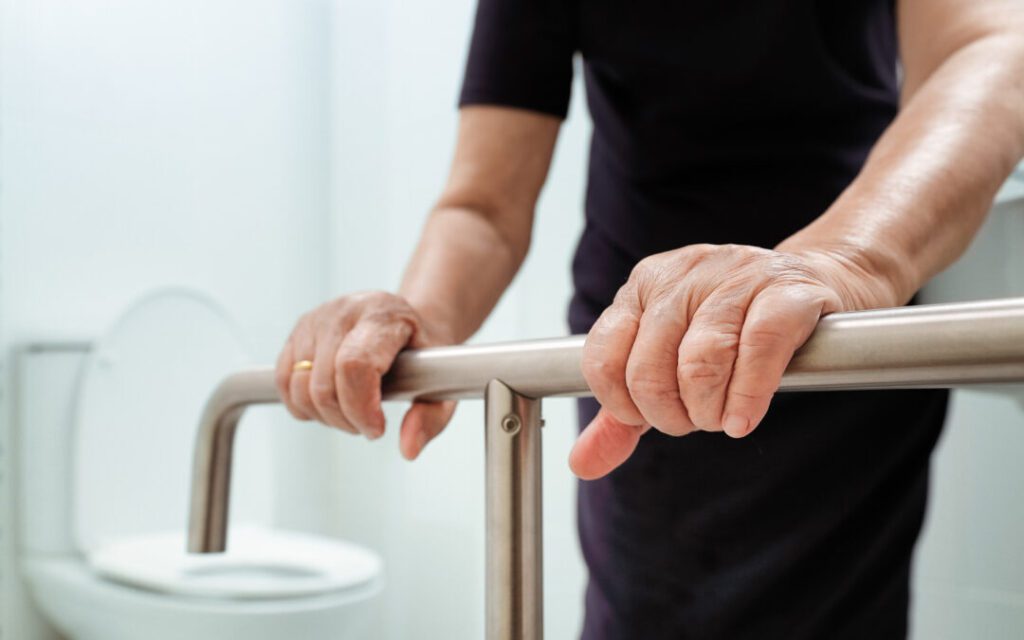
A grab bar is a sturdy bar you can hold onto in the bathroom to help you stay steady and move safely. They’re one of the easiest ways to make your bathroom feel more secure.
Where can you put grab bars?
Grab bars can be fitted in the shower, next to the bath, or beside the toilet — wherever you find it tricky to balance or need a helping hand getting up and down.
Plenty of choice
There’s a wide range of grab bars to suit different needs. You can pick one that gives you the right level of grip and choose a style and finish that looks good in your bathroom too.
Peace of mind for you and your family
Whether it’s for yourself or a loved one, a grab bar in the right spot can make a real difference to confidence and safety day to day. Find out more about grab bars here.
2. Use slip-resistant mats, and rugs
Wet floors are one of the most common causes of slips and falls in the bathroom (Health and Safety Executive). Placing slip-resistant mats and rugs in the right spots can make a real difference to your safety.
Where to place your bathroom mat
Put a bathroom mat beside your shower, bath, and toilet to soak up excess water and stop your floor from becoming slippery underfoot.
What to look for in a slip-resistant mat
Look for mats and rugs with an anti-slip backing, or ones with suction cups on the underside — these grip the floor more securely, giving you a safe, stable surface to dry your feet on after showering.
Inside the shower and bath
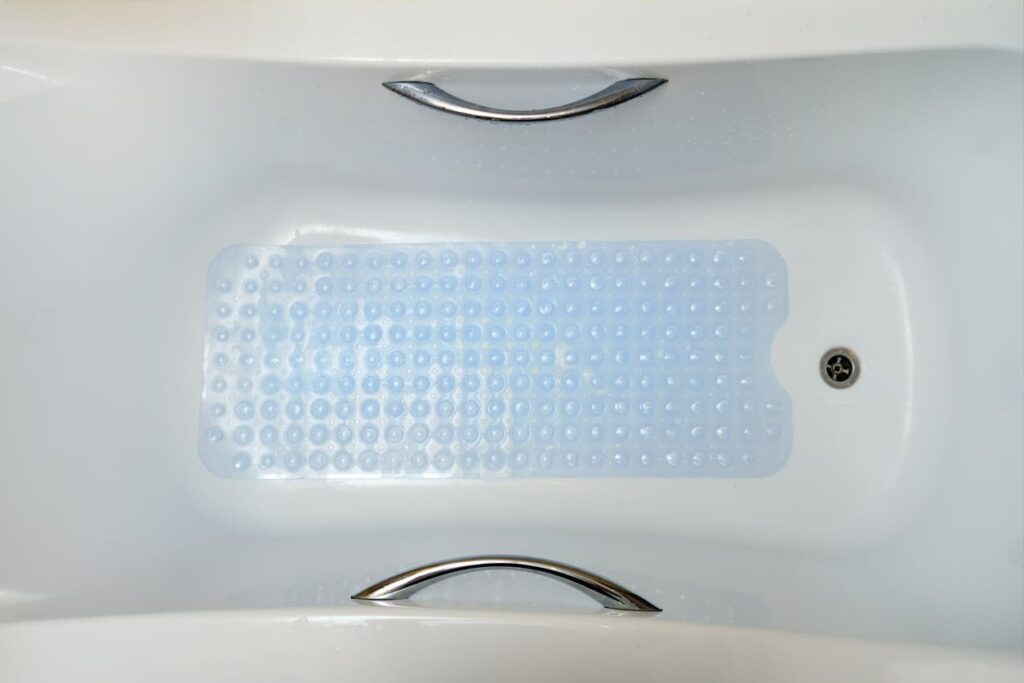
You can also buy rubberised mats designed to sit inside your shower or bath. These waterproof mats add extra grip to the base, helping to prevent slips where the floor is wettest.
3. Install flooring with slip-resistant surfaces
The right bathroom flooring can make a real difference to your safety at home. Choosing a floor with a slip-resistant finish helps reduce the risk of slips and falls, giving you greater confidence moving around your bathroom.
What are your options?
There are several bathroom flooring options that offer good grip and stability, including vinyl flooring and rubber flooring. Both are popular choices for accessible bathrooms.
Why these materials work well
Vinyl and rubber flooring are designed to be water-resistant and more hardwearing than many other types of flooring. This makes them a practical and safe choice for a bathroom environment where the floor can get wet.
4. Install a shower bench or chair
Standing for long periods in the shower or wet room can be tiring and difficult, particularly if you have reduced mobility. A shower bench or shower chair gives you a safe, comfortable place to sit while you wash, making your daily routine much easier.
Choosing the right shower chair or bench
Look for a sturdy model that suits your weight and needs. A shower bench or chair with a backrest and armrests will give you extra support and stability, helping you feel more confident and secure while showering.
5. Consider a Raised Toilet
Getting on and off a standard toilet can be difficult and uncomfortable if you have reduced mobility, joint pain, or limited strength in your legs. A raised toilet seat is a simple but effective solution that can make a real difference to your independence and comfort.
How does a raised toilet seat help?
By increasing the height of your toilet, a raised toilet seat reduces how far you need to lower yourself down – and how much effort it takes to stand back up again. This can be particularly helpful for people with arthritis, hip or knee problems, or those recovering from surgery.
What options are available?
There’s a good range of raised toilet seats to choose from, including:
Clip-on raised seats that fit securely over your existing toilet
Comfort height toilet for extra support when sitting and standing
Toilet frames that fit around the toilet and provide sturdy handholds on both sides
Choosing the right option depends on your mobility needs and whether you’re simply adapting an existing toilet or carrying out a full bathroom refurbishment.
6. Consider a Walk-In Shower or Walk-In Bath
If your current bath or shower no longer meets your needs, refurbishing your bathroom could be a worthwhile investment. Walk-in showers and walk-in baths are specifically designed to make bathing safer, more comfortable, and more manageable – whether for yourself or a loved one.
Walk-in showers
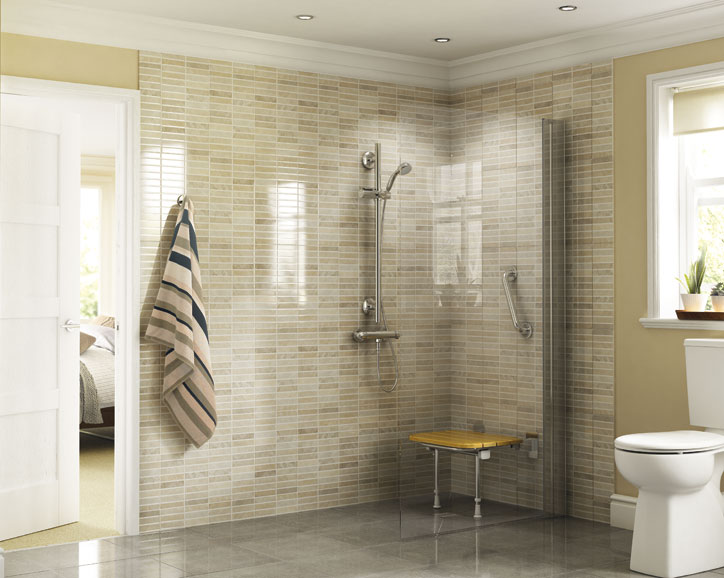
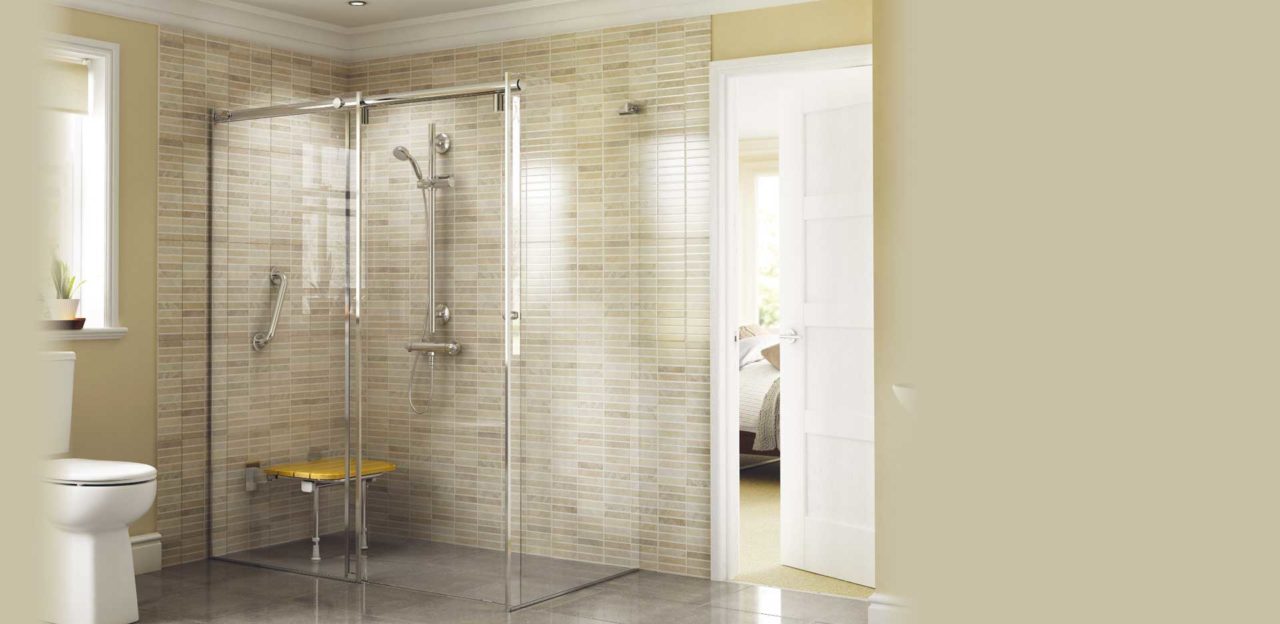
A walk-in shower features a wide entrance door, making it much easier to step in and out without having to climb over a high threshold. Most walk-in showers also include a slip-resistant floor surface and a built-in seat, so you can shower comfortably and safely at your own pace.
Walk-in baths
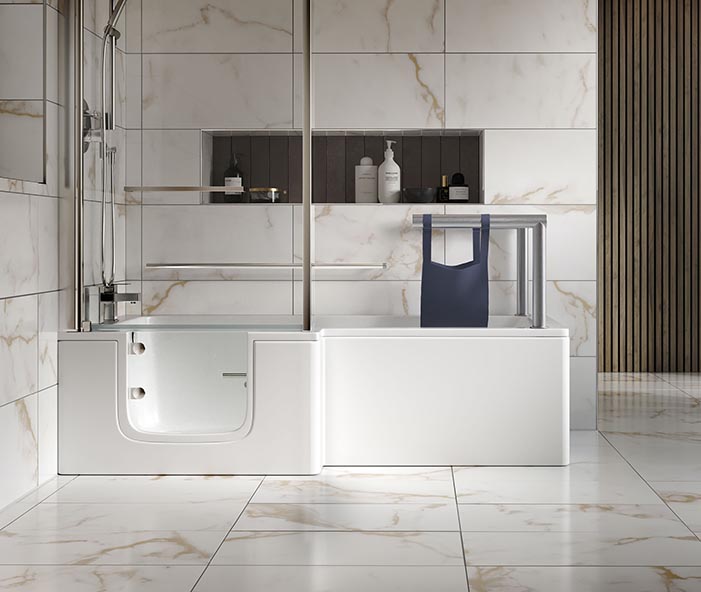
Walk-in baths are growing in popularity as a practical solution for those with reduced mobility. They feature a side-opening door that allows you to step in easily, without the need to climb over the side of a traditional bath. Once seated on the raised seat inside, you simply close the door and fill the bath. Many models also include helpful extras such as grab bars, slip-resistant flooring, and hydrotherapy jets for added comfort.
Is it worth the investment?
Both walk-in showers and walk-in baths can significantly improve your safety and independence at home and may reduce the need for additional care support. They are also designed to blend in with a modern bathroom, so you don’t have to compromise on style.
7. Reduce Clutter and Add Bathroom Storage
This is a simple tip that can make a real difference. Clutter on the floor or around the bathroom makes it harder to move around safely and increases the risk of trips and falls. Having a tidy, well-organised bathroom is an easy step towards a safer daily routine.
Clear the floor and surfaces
Try to keep floors and surfaces as clear as possible. Removing unnecessary items from your bathroom reduces the chance of catching your foot on something and makes it easier to move around with confidence – especially if you use a walking aid or wheelchair.
Add extra bathroom storage
Adding shelves or bathroom storage units means that everyday essentials like soap, shampoo, and conditioner are always within easy reach. This removes the need to bend down or stretch up, which can be uncomfortable or unsafe for those with limited mobility.
Keep surfaces clean and dry
It’s also worth wiping down surfaces regularly to remove any residue left by bathing products. Soap and shampoo can leave a slippery film on floors and surfaces, so keeping things clean and dry helps to further reduce the risk of slips and falls.
8. Add easy turn taps
Standard taps can be difficult to grip and turn, particularly if you have arthritis or limited strength in your hands. Lever taps are a simple but effective modification; their long handles and smooth action make it much easier to control the water flow and temperature without straining.
A safer, more comfortable bathroom
These are just some of the changes you can make to create a bathroom that feels safe and comfortable every day. Whether you’re making small adjustments or planning a full renovation, each improvement helps give you and your loved ones greater confidence and peace of mind.
With the right modifications in place, your bathroom can be a place where you feel secure and independent – with solutions that are both practical and designed to look good too.
FAQs
Why is bathroom safety important?
Bathroom safety helps prevent slips, falls, and injuries. A safe, accessible bathroom gives older adults and those with limited mobility the confidence to stay independent and comfortable in their own home.
What are the most common bathroom hazards?
Slippery floors, poor lighting, and a lack of grab bars or slip-resistant surfaces are among the most common risks. Cluttered layouts and unsecured rugs can also cause accidents, so it’s worth taking the time to address these at home.
How can I make my bathroom safer for elderly users?
Installing grab bars near the toilet and shower, adding slip-resistant flooring, and using a walk-in shower or bath seat are all great starting points. Good lighting and a clear, uncluttered layout also make it much easier and safer to move around.
What maintenance tips help improve bathroom safety?
Check regularly for leaks, replace worn mats, and keep drains clear to avoid slippery surfaces. Test grab bars and fixtures for stability, make sure lighting is bright enough, and inspect your flooring periodically to keep your bathroom safe throughout the year.
Do bathroom safety changes affect the room’s style?
Not at all. Modern bathroom safety products are designed to look as good as they work. From stylish grab bars to contemporary slip-resistant flooring, today’s accessibility features come in a range of attractive finishes to suit any bathroom.
Dr Hilary Jones is a GP, broadcaster and long-term health advisor, best known as ITV’s resident doctor. He qualified as a doctor in 1976 and has spent over three decades helping people take control of their health through clear, trusted advice. His guidance on safer bathing comes from years of helping patients stay independent and confident in their own homes.
Disabled Wet Rooms Guide: What Are They & How Do They Work?
As one of the activities we take part in daily, one of the most important things to consider when bathing is safety. If you currently have a bath or shower that is...