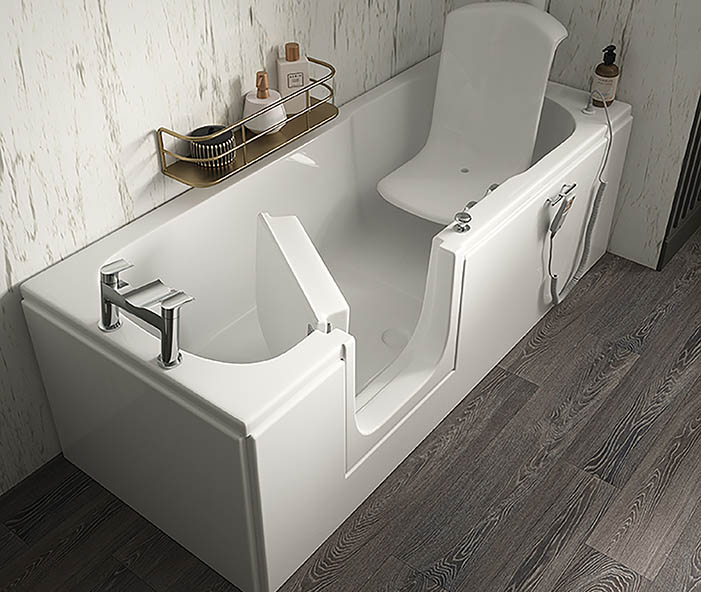
Ageing in place, the idea of staying safely and comfortably in your own home as you get older, is becoming an increasingly important priority across the UK.
For many people, home represents comfort, familiarity and independence, so the idea of leaving it behind is naturally unappealing.
But staying at home safely often depends on how well the home is adapted to changing needs, and few rooms matter more in that respect than the bathroom.
This article looks at why wet rooms have become one of the most practical, long-term solutions for independent living for seniors and the mobility bathroom solutions to consider if you’re looking at accessible bathroom design options for yourself or a family member.
What Does Ageing in Place Mean?
Ageing in place means continuing to live in your own home, safely and comfortably, rather than moving into residential or assisted care as mobility or health needs change.
For many older people, staying at home offers a sense of continuity, familiarity, and control that a care setting can’t easily replicate.
More people are choosing this path than ever before. But it isn’t without its challenges.
Reduced mobility, the risk of falls, and difficulty accessing everyday facilities can all threaten independence if the home itself isn’t adapted to meet changing needs.

Why Bathrooms Are a Key Barrier to Independence
Bathrooms are one of the highest-risk areas in the home, largely because they combine hard, slippery surfaces with confined spaces and water.
Traditional bathrooms present several specific challenges for older adults:
- Stepping into a bath. Lifting a leg over a high bath side requires balance and strength that can decline with age.
- Narrow layouts. Tight spaces leave little room to manoeuvre safely, especially when assisted by a carer or using a mobility aid.
- Lack of support features. Standard bathrooms often have nothing to hold onto for balance.
When these hazards go unnoticed, the result is often a growing reliance on a carer or family member for basic washing and personal care. And this is something most people would prefer to avoid for as long as possible.
What is a Wet Room?
A wet room is a fully waterproofed bathroom in which the shower area is level with the rest of the floor, rather than being raised inside a tray or step-up enclosure.
Unlike a traditional bathroom, there’s no threshold to step over and no separate cubicle to squeeze into. The whole room is designed and sealed to handle water safely. This makes wet rooms well suited to a wide range of mobility needs, from people using a walking stick to full-time wheelchair users.
How Wet Rooms Support Ageing in Place
Step-Free Access for Safer Movement
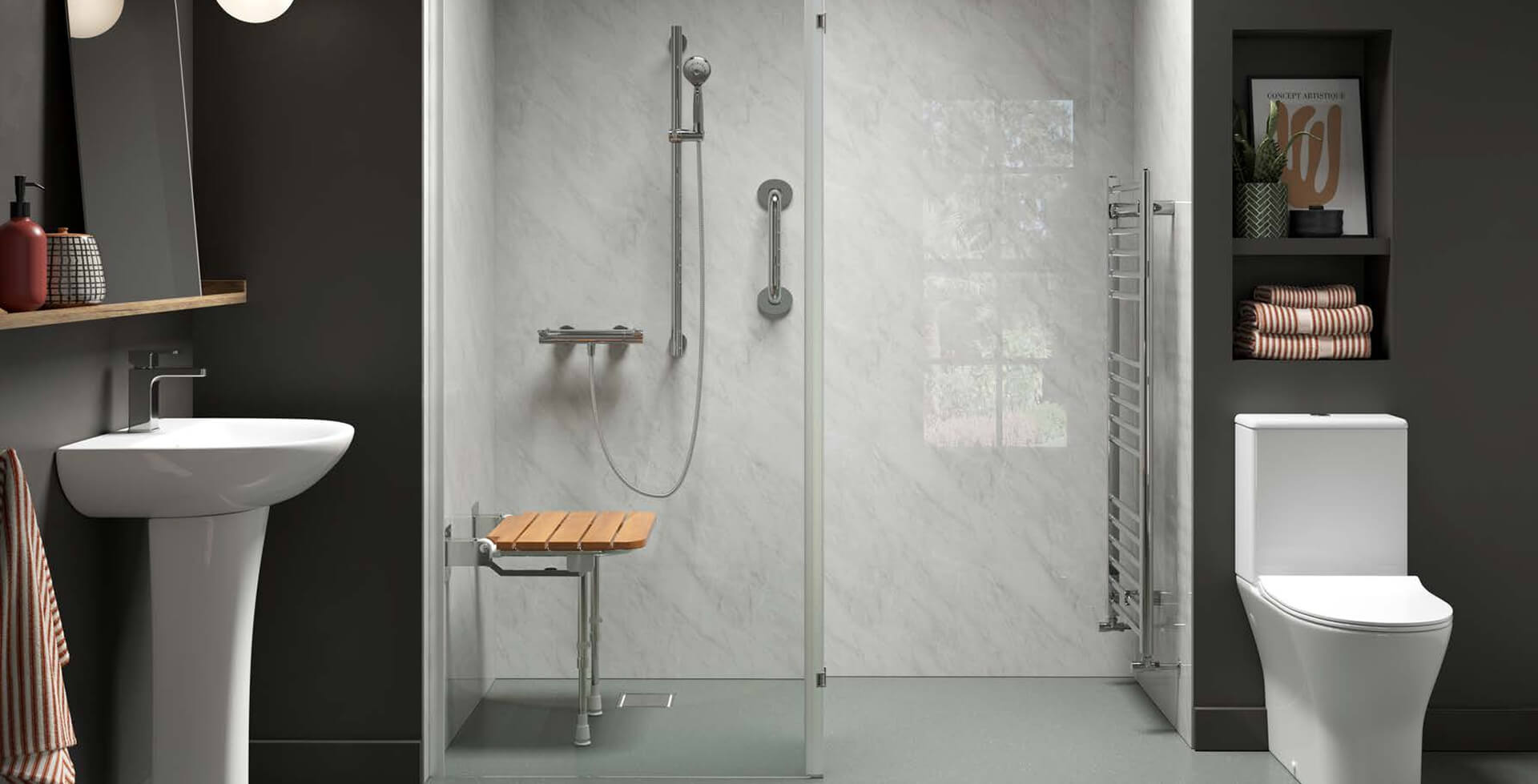
With no thresholds or steps to navigate, wet rooms remove one of the most common trip hazards in the home. This is important for anyone with reduced mobility, and it significantly cuts the risk of a fall during one of the most vulnerable moments of the day.
Improved Safety and Reduced Risk of Falls
Slip-resistant flooring and an open layout work together to reduce hazards throughout the room, not just in the shower area itself.
The extra space also means there’s room for a carer to help safely if needed, without everyone being squeezed into a tiny shower cubicle.
Easier to Use for Limited Mobility
Accessible shower controls positioned within easy reach, along with space for a seat or shower chair, mean less physical effort is needed to wash independently.
Small design details like this can make the difference between managing alone and requiring regular help.
Future-Proofing the Home
Often, mobility needs change gradually over time. A disabled wet room is designed to accommodate those changes. Rather than facing multiple renovations as needs increase, a well-designed wet room can continue to serve the household for years, supporting long-term independence rather than a short-term fix.
Wet Rooms for the Elderly vs Traditional Bathrooms
| Traditional Bathroom | Wet Room | |
| Accessibility | Step or lip to navigate | Fully level access |
| Safety | Higher risk of falls | Slip-resistant, open design reduces the risk of falls |
| Ease of use | Confined, awkward layout | Spacious, adaptable layout |
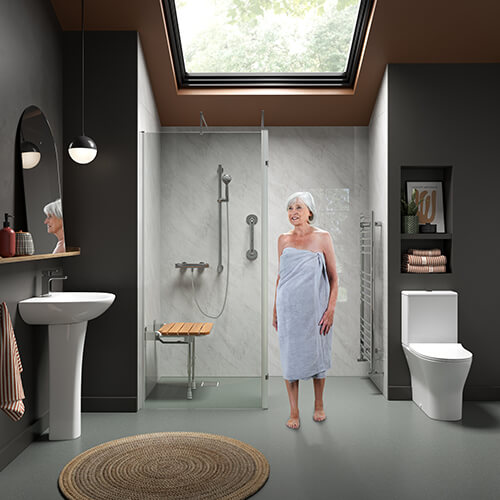
Example: An older adult who has started to find it difficult to step into a traditional bath can continue washing independently and confidently in a level-access wet room, without needing to rely on someone else for help.
Additional Features That Enhance Independence
Outside of the core wet room design, several additional features can make a real difference to independence:
- Grab rails and support bars that are positioned close to the shower and toilet
- Fold-down shower seating for people who find standing tiring
- Non-slip flooring throughout, not just in the shower zone
- Thermostatic shower controls to prevent scalding
- Good lighting and colour contrast to aid visibility for those with reduced eyesight
Are Wet Rooms a Good Investment for Long-Term Living?
Costs vary depending on the size, specification, and finish of the room. But the value of a wet room goes well beyond the initial outlay.
By reducing the risk of falls and supporting independent washing and toileting, a wet room can help delay or reduce the need for ongoing care support.
It also tends to enhance a home’s practicality and appeal, particularly for buyers considering their future needs.
It’s also worth knowing that financial support may be available. In England, Wales, and Northern Ireland, eligible homeowners may be able to apply to their local council for a Disabled Facilities Grant to help fund adaptations such as a level-access wet room, though eligibility and contribution levels will depend on your personal circumstances.
Choosing the Right Wet Room Design
When it comes to wet rooms, professional installation is non-negotiable. A specialist installer will assess the property’s structure, drainage, and layout and tailor the design to your mobility needs rather than applying a generic template.
Getting the layout right from the start, including where grab rails, seating, and controls are to be placed, makes a real difference to how confidently the room can be used.
Supporting Independence Through Smart Design
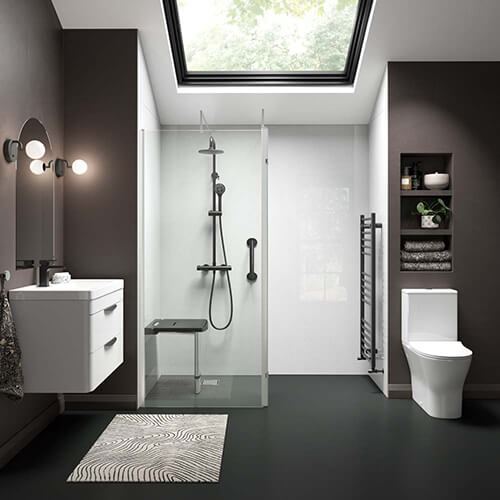
A thoughtfully designed wet room makes washing possible for people with reduced mobility. It also supports dignity, confidence, and overall independence.
As the NHS notes in its guidance on falls prevention, making practical home adaptations is one of the most effective ways older adults can reduce their risk of falling and maintain their independence.
Thinking ahead about future mobility needs when planning any home adaptation, rather than only addressing the challenges you currently face, is one of the most valuable steps you can take.
FAQ Section
What is the difference between a wet room and a walk-in shower?
A wet room is a fully tanked, level-access room with no separate shower enclosure, whereas a walk-in shower typically uses a low-level tray, sometimes with a small step or lip, inside a partially or fully screened area.
Are wet rooms safe for elderly people?
Yes. Their level-access design, slip-resistant flooring, and additional support features like grab rails are specifically intended to reduce the fall risks associated with traditional bathrooms.
Can a wet room be installed in any home?
In most cases, yes, though the specific approach depends on the property’s existing plumbing, floor structure, and layout. A professional assessment will confirm exactly what’s achievable for your home.
How much does a wet room cost in the UK?
Wet room installation costs vary depending on the size of the room, the amount of preparation work required, and the fixtures and finishes you choose. The best thing to do is arrange a tailored assessment from a specialist installer. They can explain the likely cost for your bathroom.