Why Walk-in Baths Can Make Your Day-To-Day Life Easier
This article was first published on: June 7, 2019 by Jon Pearce
Last updated: July 21, 2026
This article was first published on: June 7, 2019 by Jon Pearce
Last updated: July 21, 2026
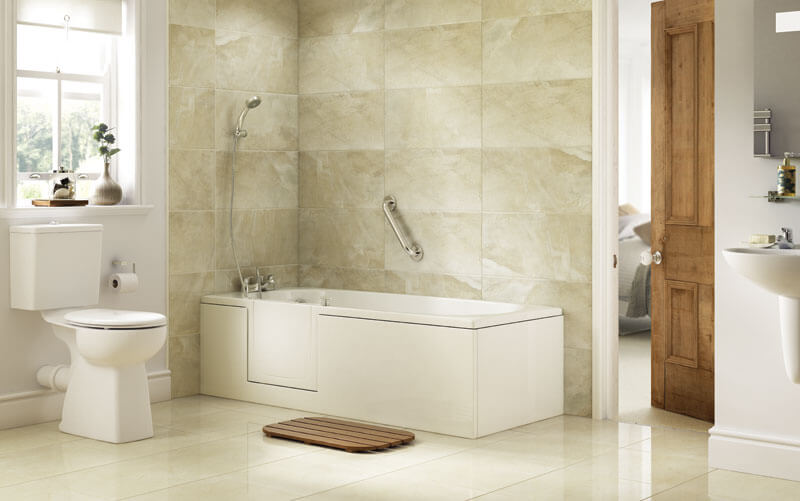
A warm bath should be one of the simple pleasures of the day. But when lifting your legs over a high tub edge starts to feel risky, that pleasure can quickly turn into something you dread, or give up on altogether. A walk-in bath removes that barrier. With a low step-in and a watertight door, it lets you bathe safely and comfortably again, without the worry of slips and falls, and without always needing someone on hand to help.
Here is how a walk-in bath can make everyday life a little easier, who they suit, how they work in practice, and what to think about before you buy.
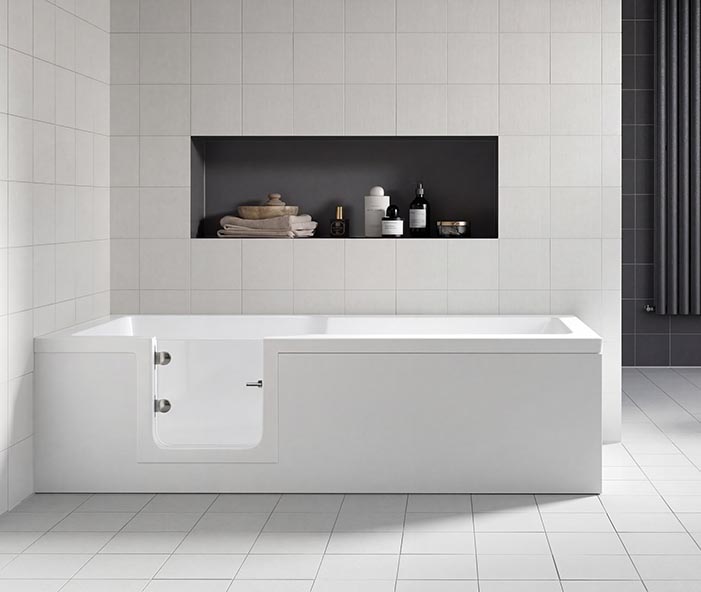
A walk-in bath is a bath with a sealing, watertight door and a low step-in threshold. Instead of climbing over the side of a standard tub, you open the door, step in over a low edge, sit down, close the door and fill the bath. When you have finished, you let the water drain and step back out.
They come in a range of sizes and depths, from compact models that fit a small bathroom to full-length baths for a proper soak, so there is usually an option to suit your space and the way you like to bathe.
Walk-in baths are designed for anyone who finds a normal bath hard to get into and out of safely. That often means people living with arthritis or joint pain, those with reduced mobility or balance problems, and anyone recovering from an operation who needs to bathe without straining.
They also suit people who are simply planning ahead. Making the bathroom safer now is one of the most practical ways to stay comfortable and independent in your own home for longer, rather than waiting until a fall or a change in health forces the decision.
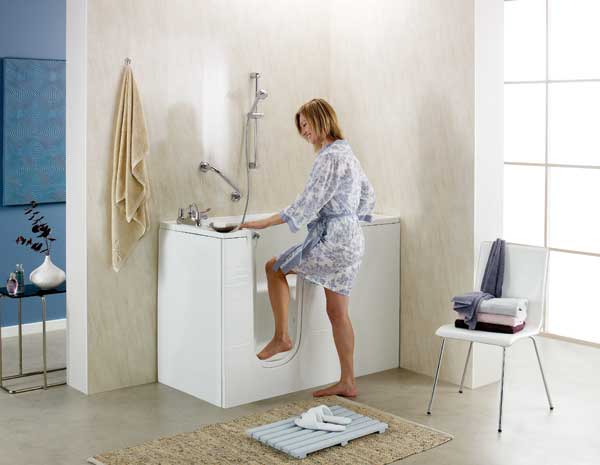
The range of walk-in baths at Mobility Plus comes with a number of features built around safety and comfort.
The low threshold means no more lifting your legs high over the side of the tub. Getting in and out becomes far simpler, and the risk of trips and falls drops considerably. The watertight, sealing door keeps water securely contained, preventing spills and reducing the risk of slips.
Many of our baths come with built-in grab and towel rails. The grab rails give you something sturdy to hold on to as you sit and stand, and a towel within reach means no leaning or stretching across the bathroom, which is when accidents often happen.
Different baths offer different types of seat, from a simple integral seat to power-assisted and reclining options. A built-in seat lets you bathe in a comfortable, upright position, and it makes lowering yourself down and getting back up far less of an effort.
Slips and falls are among the most common injuries for people over 65 and those with joint or mobility issues. Slip-resistant, textured flooring inside the bath is a quiet but important safety feature, giving you the confidence to relax rather than worry about your footing.
Thermostatic, or dual-temperature, taps let you set the water to a comfortable temperature and hold it there. This makes it much easier to avoid water that is too hot, which matters for anyone with reduced sensitivity to temperature.
Some baths offer extras such as spa therapy and chromotherapy. Spa therapy uses gentle bubbles to massage the body and can help soothe aches and support circulation, while chromotherapy uses coloured light to create a calming, relaxing atmosphere.
It is worth understanding one practical difference before you buy. Because the door seals shut, you get into a walk-in bath and close the door before filling it, and you wait for the water to drain away before opening the door to get out. You cannot open the door while the bath is full, or the water would flood the bathroom floor.
In practice this means a short wait while the bath fills, and a little longer for it to drain. Faster-draining systems and power-assisted options can shorten that wait, and it is something our team can talk you through so you can choose a bath that fits how you like to bathe. We would always rather you knew this upfront than were surprised by it later.
Anyone living with arthritis or joint pain knows how much warm water can help. Soaking in a warm bath can ease stiff, aching joints and help you relax, and a walk-in bath lets you enjoy that relief without the strain of climbing in and out.
A bath can also support gentle movement. Warm water takes the weight off your joints, which makes it a comfortable place for simple, low-impact stretches to keep yourself supple. As ever, it is sensible to check with your GP or physiotherapist before starting anything new.
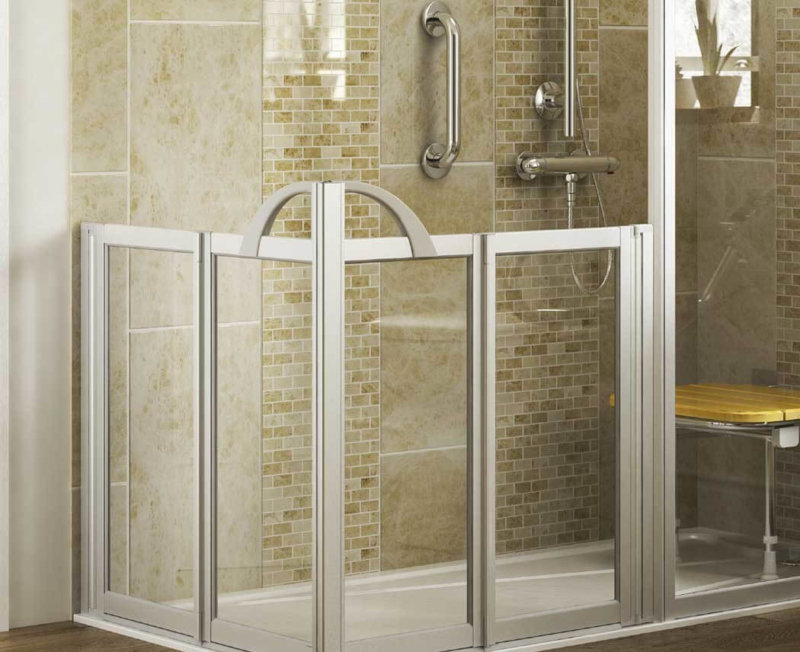
A walk-in bath is not the only option, and it helps to weigh it up against the alternatives. A walk-in bath suits people who love to soak and who find warm water eases their joints. If waiting for the bath to fill and drain does not appeal, or mobility is very limited, a walk-in shower or a wet room may be the better fit, as you can step straight in and out with no waiting. Many people find it useful to see all three before deciding, which is something a design visit can help with.
The cost of a walk-in bath depends on its size and the features you choose, so it is best to look at current prices in our walk-in bath cost guide rather than rely on a single figure.
There may also be help with the cost. If you are disabled and need a walk-in bath because of your condition, the work can qualify for VAT relief, and people aged 60 and over may qualify for a reduced rate of VAT when the bath is supplied and fitted together. A Disabled Facilities Grant from your local council may also help with funding for essential bathroom adaptations. The rules and amounts can change, so check the current details on GOV.UK, and our team can point you in the right direction.
Whether you are dealing with joint pain today or simply want a safer home for the years ahead, a walk-in bath is a sensible step. It makes bathing easier now and helps keep your home comfortable and usable as your needs change.
If you would like to see what is possible, request a free brochure or book a no-pressure design and quote visit, and we will help you find the bath that suits you.
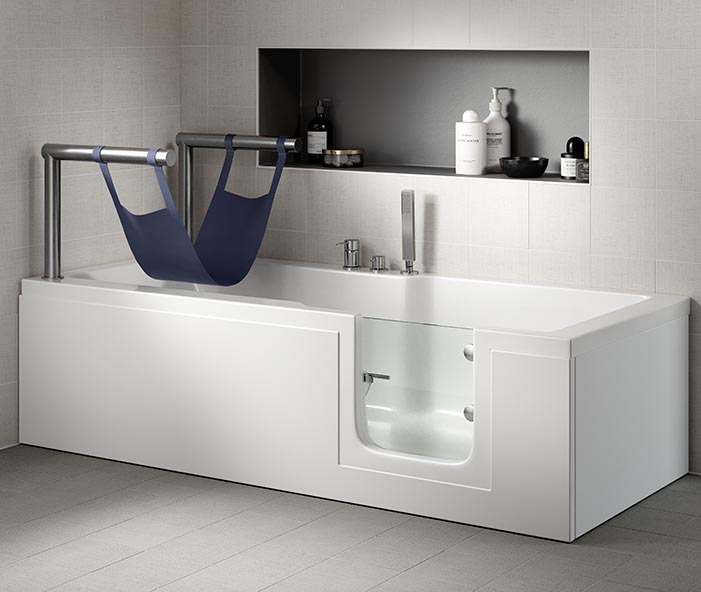
Walk-in baths make bathing easier and safer by removing the need to step over a high tub edge. They often include slip-resistant floors, built-in seating and easy-access doors, which simplify daily washing for anyone with reduced mobility.
A walk-in bath lets many people bathe without help, which supports dignity and privacy. The accessible design helps you keep to your routine with confidence, and is especially useful for anyone who wants to stay in their own home for longer.
Yes. Walk-in baths are designed for people with limited mobility, arthritis or other physical challenges. Many models include grab rails, contoured seating and thermostatic controls for added comfort and safety.
You fill the bath once you are seated with the door closed, and you wait for it to drain before getting out, so there is a short wait at each end. Faster-draining systems and power-assisted options can reduce the wait, and our team can advise on the best choice for you.
Possibly. VAT relief may apply if you are disabled, a reduced VAT rate may apply if you are 60 or over, and a Disabled Facilities Grant from your local council may help with funding. Check the current rules on GOV.UK, as they can change over time.
Most walk-in baths use low-maintenance materials that resist mould and mildew. Regular cleaning with mild bathroom products and an occasional check of the door seals is usually enough to keep them in good condition.